



Designing Collaborative Learning Spaces in Schools
Classrooms today look nothing like the ones many of us grew up in – and that’s a good thing. Education is shifting toward more interaction, creativity, and shared problem-solving, which means the physical environment matters more than ever.
Students truly blossom when learning is dynamic and connected, and that starts with rooms that make teamwork feel effortless. From flexible layouts to furniture that adapts to group activities, classrooms built for collaboration are without a doubt shaping the future of education.
In today’s article, we’ll explore why schools should make peer camaraderie a priority. We’ll also share some collaborative classroom design ideas that will help schools designate space where students and their teachers can work together in ways that strengthen the modern learning experience.
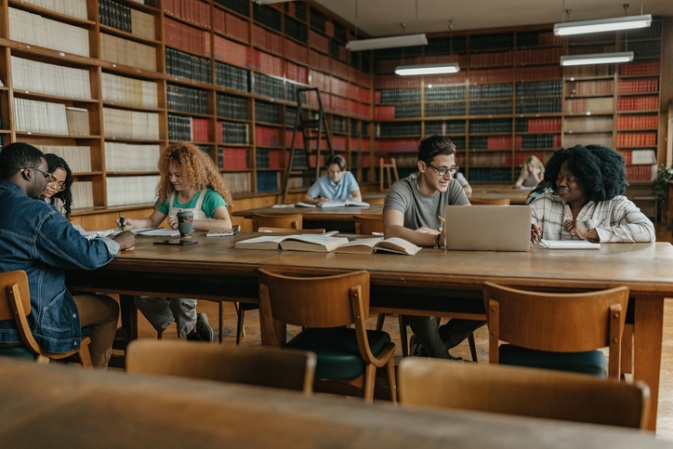
Why Collaborative Learning Spaces Matter
Schools all across the nation are rethinking how classrooms function because we now know that kids really thrive when the environment is built for peer-to-peer interaction. Collaborative spaces encourage students to share their ideas, produce solutions together, and develop communication skills that last well beyond graduation. Here are a few reasons why:
Students Engage in Active Learning
Collaborative spaces set the stage for active learning, where students are actively engaged in the learning process rather than passively absorbing information from a lecture. This is especially beneficial for students who learn better through hands-on experience and group-based work.
Inclusivity Becomes a Focal Point
Another advantage is the increased focus on diversity and inclusivity. Working alongside peers from different backgrounds gives students a deeper understanding of other perspectives and helps them develop empathy. These interactions prepare them for real-world circumstances in ways that the traditional classroom no longer achieves.
The Benefits of Project-Based Learning Environments
Collaboration provides opportunities for project-based learning, which is a huge advantage for young minds. So, instead of just memorizing information, students can apply their knowledge and skills to projects based on real-world problems. This type of learning is more engaging and meaningful for students as they can see the practical application of what they are learning.
All in all, it’s these kinds of learning environments that create an energy and level of engagement that traditional rows of desks simply can’t match. The flexible learning space and furniture arrangements make student collaboration feel natural, giving educators more freedom to guide the discussion.
Collaborative Classroom Design Ideas
Creating a classroom that sparks collaboration starts with intentional design choices. And one of the most effective strategies is to incorporate flexible zones for different activities. Think areas for group discussions, project work, and quiet brainstorming – all within the same room. This variety gives students more options and keeps the engagement high.
The furniture here plays a big role in making student unity feel more like second nature. Mobile tables and chairs allow educators to quickly reconfigure the space so that it adapts to the lesson instead of staying locked in a rigid structure. Adding writable surfaces, whether that’s whiteboards or tabletops, is an excellent way to encourage idea sharing and fuel creativity.
Technology integration is another smart move. Screens for group presentations and shared digital tools help students work together in real time.
These collaborative classroom furniture solutions create technology-integrated learning spaces where teamwork feels natural, and learning becomes more interactive.
Flexible Learning Space Furniture
Classrooms feel so much more exciting when the furniture invites movement, interaction, and creativity. Flexible pieces will no doubt make collaboration fun for your students and easier for you to manage. And there are plenty of options to choose from!
Mobile tables and flip-top desks let you rearrange the room for group pods or solo study in seconds. Active seating options – like wobble stools and balance chairs – keep your students’ energy high and their focus sharp. And yes, beanbag chairs and other soft seating options are excellent choices for bringing a playful vibe that students love. These soft seating options work perfectly in active learning classroom layouts because they keep everyone involved and will have them looking forward to every lesson.
When the furniture moves as easily as ideas, all the collaboration we’re discussing here becomes part of the everyday experience.
Designing for Project-Based Learning Environments
You know your students well. They need room to brainstorm, plan, and create without feeling confined to a single desk. That’s why leaving the space open for interpretation makes this possible. And ultimately, you gain the freedom to organize it in a way that brings out your strengths as the teacher.
A flexible layout allows you to match every inch of the environment with the assignment at hand. This means educators can move freely, assume various roles between groups, and emphasize project-based learning on the fly. Whether it’s guiding small group assignments or leading STEM projects that involve the whole class, a well-thought-out design allows you to shift your position in an instant.
Student projects can introduce unpredictability. Having the ability to adjust the room for the moment helps instructors maintain structure while supporting their students’ autonomy. And, at the end of the day, this level of fluidity will inevitably form a classroom culture that kids genuinely look forward to.
Partner With Metro Atlanta’s Classroom Furniture Experts
Creating a dynamic space where students actually want to hang out and learn feels like a total win. And here at Office Furniture Expo, we have served as the Metro Atlanta area’s trusted resource for classroom furniture for over 40 years. From mobile desks and flexible seating to modular storage and everything in between, our 100,000+ sq. ft. Showroom features an unmatched selection of furniture that makes reconfiguration a breeze.
Discover how our expertise will upgrade your classroom environment. Contact us today to request a complimentary consultation or stop by our location in Doraville to transform the way you teach.
Frequently Asked Questions
Why Should Schools Prioritize Peer Collaboration?
Peer camaraderie fosters a sense of belonging and psychological safety. This social foundation allows students to engage in risk-taking and deeper critical thinking, ultimately leading to higher academic achievement and stronger interpersonal communication skills.
How Does Flexible Layout Support Student Teamwork?
Flexible layouts enable rapid transitions between independent study and group projects. By removing physical barriers, these adaptable environments encourage students to share ideas freely and navigate collaborative tasks without the constraints of rigid, traditional seating.
Which Furniture Features Enhance Collaborative Learning?
Mobile desks and modular seating allow participants to reconfigure spaces instantly. Features like dry-erase surfaces on tabletops or casters on chairs facilitate spontaneous brainstorming sessions and ensure every student remains physically engaged within the group dynamic.
How Do Teachers Benefit from Shared Classroom Spaces?
Shared spaces allow educators to move fluidly among various groups to provide targeted guidance. This proximity transforms the teacher’s role from a lecturer into a facilitator, strengthening the connection between instructors and learners during complex activities.
Can Design Improve Modern Learning Experience?
Purposeful design aligns the physical environment with pedagogical goals. By creating zones dedicated to cooperation, schools provide students with the necessary tools to master teamwork, effectively preparing these individuals for the demands of the modern professional landscape.
0 Comments